
Why Natural Killer Cell Therapy Is Changing the Conversation Around Cancer Care
Interest in natural killer cell therapy has grown as immunotherapy continues to expand the way researchers understand cancer treatment. Natural killer (NK) cells are part of the body’s innate immune system and play an important role in identifying abnormal cells. Because of this unique function, scientists have spent years studying how these immune cells may contribute to comprehensive cancer care.
As awareness increases, so does the amount of information available online. Unfortunately, much of it focuses only on success stories or makes broad claims without explaining the science or the limitations. This leaves many patients wondering whether natural killer cell treatment is appropriate for their situation or whether it should be considered alongside other treatment options.
At the US Mexico Cancer Institute, we believe patients should understand both the opportunities and the limitations before making decisions. A balanced understanding helps families ask better questions, compare treatment options responsibly, and develop realistic expectations throughout their care journey.
Understanding What Natural Killer Cell Therapy Can and Cannot Do
Natural killer cells differ from many other immune cells because they can respond quickly when they detect biological changes associated with abnormal cells. This natural surveillance function has made them an important focus of cancer immunology research.
However, NK cell cancer treatment is not intended to replace surgery, chemotherapy, radiation therapy, or other established oncology treatments. Instead, researchers continue studying how NK cells may complement broader treatment strategies depending on the patient’s diagnosis, immune function, and overall health.
The National Cancer Institute explains that immunotherapy includes several approaches that help the immune system recognize and respond to cancer, with researchers continuing to investigate how these therapies may improve patient care across different cancer types.
What Families Learn From Real Immune Patterns
In our ebook, NATURAL KILLER CELLS – A GUIDE FOR FAMILIES AND LOVED ONES OF STAGE 4 CANCER PATIENTS, we explain why immune-based treatment planning goes beyond simply increasing the number of NK cells. Effective immune responses depend on how these cells function, communicate with other immune cells, and respond within the tumor environment.
Families also learn why treatment timing, previous therapies, and overall health may influence immune readiness. Understanding these biological factors helps patients develop realistic expectations before considering NK cell immunotherapy as part of a personalized treatment strategy.
Why Personalized Evaluation Matters Before Treatment
Patients considering cancer treatment abroad often compare available therapies, physician experience, and treatment costs. While those factors are important, the first question should always be whether a treatment is appropriate for the individual patient.
At the US Mexico Cancer Institute, every recommendation begins with a comprehensive medical evaluation. Pathology reports, imaging studies, laboratory findings, treatment history, and overall health are carefully reviewed before discussing immune-focused therapies. This comprehensive approach is one reason patients researching how to compare cancer treatment options in Mexico often look beyond individual therapies and instead focus on experienced multidisciplinary teams that provide personalized cancer care in Mexico.
7 Surprising Facts About Natural Killer Cell Therapy
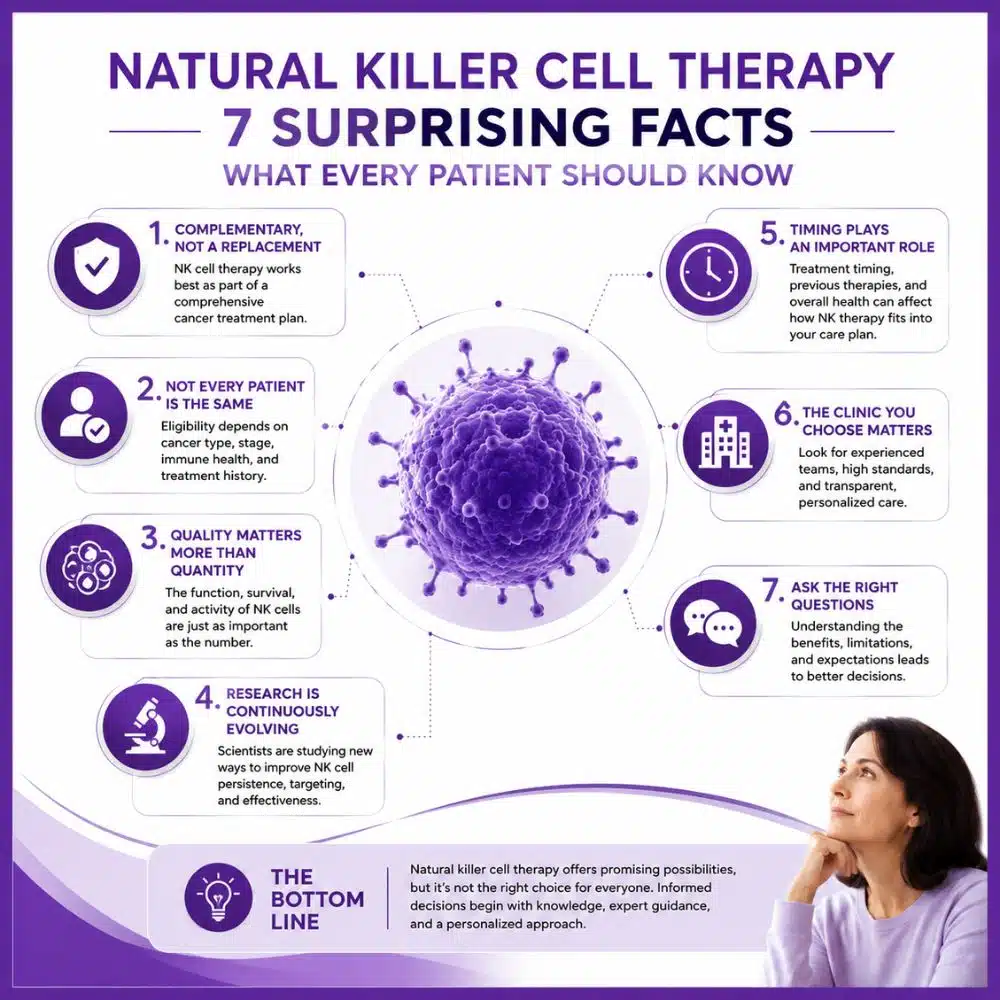
1. Natural Killer Cell Therapy Works Best as Part of a Comprehensive Treatment Strategy
One of the biggest misconceptions about natural killer cell therapy is that it should replace every other cancer treatment. Current evidence does not support that conclusion. Instead, researchers continue studying how NK-cell-based therapies may complement established treatments such as surgery, chemotherapy, radiation therapy, or targeted therapies depending on the patient’s diagnosis and treatment goals.
Looking at NK-cell therapy within a broader treatment strategy allows physicians to consider how different therapies may work together rather than relying on a single approach.
2. Not Every Patient Will Benefit in the Same Way
Cancer is not one disease, and immune responses vary from person to person. Factors including cancer type, disease stage, previous treatments, overall health, and immune function may all influence whether natural killer cell treatment is appropriate.
This is why individualized assessment remains one of the most important parts of treatment planning. Understanding the patient’s complete clinical picture helps guide decisions based on medical evidence instead of generalized expectations.
3. Cell Quality Can Be Just As Important As Cell Quantity
Many patients assume that receiving a higher number of NK cells automatically produces better results. Researchers, however, study much more than cell count. They also evaluate how effectively NK cells function, survive after administration, and recognize abnormal cells.
The methods used to prepare, preserve, and evaluate these cells continue to be active areas of research, reinforcing the importance of understanding treatment quality rather than focusing only on quantity.
4. Research Continues to Expand What We Know
Scientists continue investigating how NK cell immunotherapy interacts with the immune system and how tumors develop ways to reduce immune recognition. A peer-reviewed review published in Nature Reviews Immunology discusses how NK cells recognize abnormal cells and why they remain an important area of cancer immunotherapy research.
Although the field continues to advance, researchers also recognize that many questions remain. Ongoing clinical studies will continue improving our understanding of where NK-cell-based therapies may fit within future cancer care.
5. Treatment Timing May Influence the Overall Care Plan
One of the most overlooked aspects of natural killer cell therapy is timing. The immune system changes throughout cancer treatment, and factors such as recent chemotherapy, radiation therapy, surgery, infections, or other medical conditions may influence how physicians evaluate immune-based therapies.
Rather than asking whether NK-cell therapy is “better” than another treatment, a more helpful question is whether it fits the patient’s current stage of care. For some individuals, the timing of treatment planning may be just as important as the treatment itself. This is one reason comprehensive medical evaluation remains an essential part of responsible cancer care.
6. Choosing a Cancer Clinic Involves More Than Comparing Available Treatments
Patients considering cancer treatment abroad often focus on whether a clinic offers NK-cell therapy. While treatment availability is important, other factors deserve equal attention, including physician expertise, laboratory standards, patient safety, regulatory oversight, and continuity of care.
For individuals evaluating cancer clinics in Mexico, asking how treatment decisions are made can provide valuable insight. A clinic should explain why a therapy is recommended, discuss potential limitations, and ensure recommendations are based on the patient’s medical history rather than a standardized protocol. Understanding these factors helps patients compare options more confidently when exploring the best cancer treatment in Mexico.
7. The Best Decisions Begin With the Right Questions
Patients often spend significant time searching for the “best” treatment, but asking the right questions can be even more valuable. Instead of focusing only on success stories, consider asking:
- Am I an appropriate candidate for this treatment?
- How does it fit into my overall treatment plan?
- What scientific evidence supports its use for my diagnosis?
- How will my response be monitored throughout treatment?
These conversations encourage realistic expectations and help patients become active participants in their care. Whether receiving treatment locally or exploring cancer care in Mexico, informed decision-making remains one of the most important steps in the treatment journey.
Why Patients Choose Our Approach
At the US Mexico Cancer Institute, we believe personalized care begins with understanding the patient before recommending any treatment. Our approach combines evidence-based evaluation with careful treatment planning designed to support each individual’s clinical needs.
We differentiate ourselves in ways most providers cannot replicate:
- NK cells are always delivered fresh with zero cryopreservatives to help preserve functional potency.
- Molecular hydrogen support is incorporated to help reduce immune interference during treatment.
- National-level medical leadership guides clinical decision-making for every patient.
- COFEPRIS-aligned safety oversight supports high standards for quality and patient care within Mexico’s regulatory framework.
- White-glove patient care helps coordinate treatment logistics and reduces unnecessary stress for patients and their families.
When patients compare treatment options, one principle consistently stands out: thoughtful planning, careful evaluation, and treatment timing help shape informed medical decisions.
Making Informed Decisions About Natural Killer Cell Therapy
Research into natural killer cell therapy continues to advance, offering new insights into how the immune system may contribute to comprehensive cancer care. At the same time, ongoing studies remind us that no single therapy is appropriate for every patient or every diagnosis.
Understanding both the potential benefits and the current limitations allows patients to approach treatment decisions with greater confidence. By asking informed questions, reviewing available evidence, and seeking individualized medical guidance, families can make decisions based on science rather than expectations alone.
At the US Mexico Cancer Institute, our goal is to help patients understand their options through personalized evaluation, evidence-based education, and compassionate care that supports every stage of the treatment journey.
Frequently Asked Questions
1. Is natural killer cell therapy approved for every type of cancer?
No. Research continues across many cancer types, but suitability depends on the individual’s diagnosis, overall health, and treatment goals.
2. Can natural killer cell therapy replace chemotherapy or surgery?
NK-cell therapy is generally evaluated as part of a broader treatment strategy rather than as a replacement for established cancer treatments.
3. Who may be a candidate for natural killer cell treatment?
Eligibility varies based on factors such as cancer type, disease stage, previous treatments, immune status, and overall medical condition.
4. Why do some patients travel abroad for NK cell immunotherapy?
Some patients explore cancer treatment abroad to access additional treatment options, physician expertise, or comprehensive care programs that may not be available locally.
5. What should I ask before choosing a cancer clinic?
Ask about physician qualifications, treatment planning, safety standards, regulatory oversight, follow-up care, and how recommendations are personalized for your specific diagnosis rather than based on a standard protocol.

- NK Cell Therapy in Mexico: Patient Guide for Cancer Treatment in Tijuana - August 25, 2026
- NK Cell Therapy Mexico 6 Essential Standards Patients Should Evaluate Before Treatment - August 18, 2026
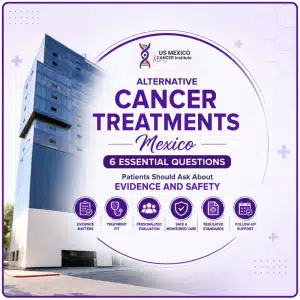
- Alternative Cancer Treatments Mexico 6 Essential Questions Patients Should Ask About Evidence and Safety - August 11, 2026