

Why Melanoma Raises Immediate Immune Questions
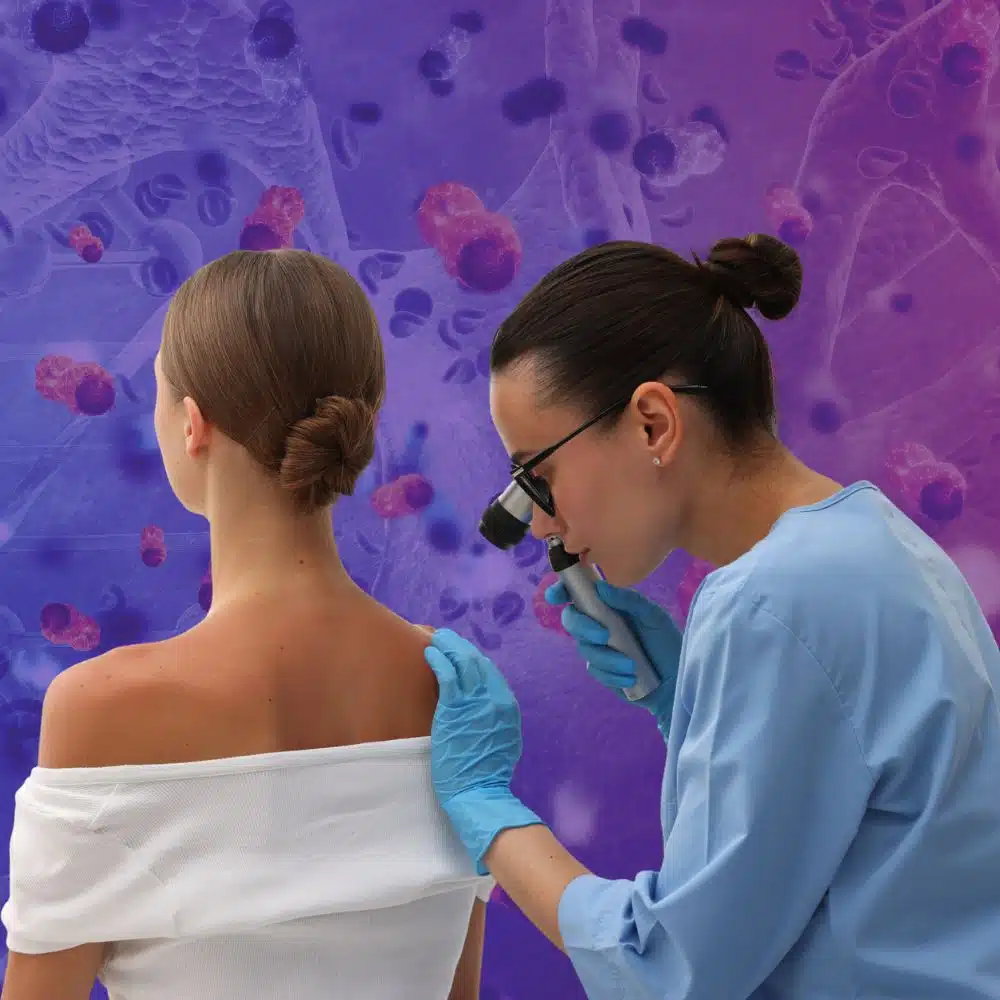
When families hear the diagnosis melanoma, the focus often turns quickly to biopsy details, depth of invasion, and selecting a clear melanoma treatment plan. These steps are important. Yet as decisions move forward, many families begin asking a deeper question that is not always answered clearly.
Is the immune system still able to respond?
Melanoma cancer is known for its interaction with immune cells. It is one of the cancers most commonly discussed in immune-focused conversations. Patients search for answers about immune strength, NK cell activity, and whether timing changes what remains possible.
At US Mexico Cancer Institute, we see that immune clarity often becomes the defining factor when families are deciding what to do next. Understanding how cancer natural killer cells behave in melanoma gives structure to those decisions.
What NK Cells Do in Melanoma
A natural killer cell is part of the innate immune system. Unlike adaptive immune cells, NK cells do not require prior exposure to respond. They detect abnormal stress markers on cells and act quickly.
In NK Cells in Melanoma, immune involvement is common from early stages. Melanoma cancer often attracts immune attention at the surface level because it develops in the skin, where immune surveillance is active. However, immune presence does not always mean immune coordination.
The National Cancer Institute defines natural killer cells as white blood cells that can destroy abnormal cells without prior sensitization, confirming their role in early immune defense.
When families explore natural killer cell therapy or nk cell treatment, the key issue is not whether NK cells are present. The question is whether immune clarity remains structured enough to support coordination.
As explained in our ebook Natural Killer Cells – A Guide for Families and Loved Ones of Stage 4 Cancer Patients, immune overload is often misread as immune collapse. NK cells frequently remain active but suppressed by inflammatory signals or tumor interference.
6 Immune Insights Trending in Patient Searches
When patients research melanoma, several immune themes appear repeatedly in search behavior. These six insights reflect what families are trying to understand and why timing plays such an important role.
1. Early Immune Activation Does Not Guarantee Long-Term Stability
Melanoma often triggers immune recognition early. NK cells may respond quickly when abnormal skin cells develop. However, early activation does not guarantee lasting immune coordination.
Over time, tumor signaling can interfere with NK cell communication. This gradual shift explains why families may see changes in immune response even when melanoma treatment has begun.
2. Chronic Inflammation Weakens NK Cell Accuracy
Inflammation is part of the body’s defense system. But when inflammation becomes prolonged, it disrupts immune clarity.
Research supported by the National Institute of Allergy and Infectious Diseases confirms that long-term inflammation interferes with innate immune signaling pathways, including NK cell coordination.
When inflammation remains elevated, NK cells may misinterpret stress signals. They do not disappear. They lose clarity.
3. Melanoma Treatment Alters Immune Timing
Many forms of melanoma treatment interact directly with the immune system. Some therapies aim to stimulate immune response. Others may temporarily suppress immune coordination.
Understanding how treatment influences NK cells is essential.
At US Mexico Cancer Institute, we evaluate immune readiness before recommending natural killer cell therapy so timing aligns with immune conditions.
4. NK Cells in Melanoma Remain Dynamic Over Time
NK Cells in Melanoma respond to stress markers on tumor cells. These stress markers can increase or decrease depending on tumor biology, metabolic stress, and inflammatory load.
This dynamic behavior means immune coordination is not fixed. It changes gradually. Timing determines whether NK cells remain responsive.
5. Immune Suppression Often Develops Quietly
Immune suppression in melanoma cancer rarely happens all at once. NK cells may remain present but less effective due to chronic stress and signaling confusion.
Families may not notice immune changes immediately. Symptoms such as fatigue or reduced recovery may reflect immune imbalance rather than visible tumor growth alone.
6. Timing Determines Whether NK Cell Treatment Is Appropriate
The effectiveness of nk cell treatment depends on immune clarity. NK cells respond best when signaling pathways remain structured.
Waiting too long reduces coordination. Acting too early without evaluation may create confusion. The key is measured immune assessment.
How Cancer Natural Killer Cells Shape Melanoma Decisions
When families ask about cancer natural killer cells, the discussion must go deeper than simple presence. NK cells can appear active in testing yet lack coordination. What matters most is whether immune clarity still exists and whether it can be measured accurately.
At US Mexico Cancer Institute, we evaluate immune readiness before timing narrows further. Melanoma cancer can shift immune coordination gradually, and these changes are not always visible on scans. Waiting without assessing immune behavior can quietly reduce flexibility.
Before recommending any immune-focused strategy, we assess several key indicators:
• Inflammatory markers – Ongoing inflammation interferes with how NK cells interpret stress signals. When inflammatory load remains elevated, immune communication weakens over time. Early assessment helps prevent prolonged interference.
• NK cell responsiveness – We examine whether NK cells are actively responding to abnormal stress patterns. Decline often develops gradually. Identifying responsiveness early preserves more options.
• Treatment-related immune shifts – Certain melanoma treatment approaches influence immune timing. We evaluate how recent therapies have altered coordination so decisions reflect current immune conditions rather than past assumptions.
• Overall immune coordination – NK cells operate within a network. If signaling pathways are disorganized, immune response becomes inconsistent. Addressing coordination early helps maintain clarity.
This structured evaluation prevents reactive decisions. Instead of relying on urgency alone, decisions are guided by measurable immune data. When immune clarity still exists, it can often be supported. When suppression deepens, flexibility decreases.
At US Mexico Cancer Institute, we do not wait for immune signals to weaken further before assessing readiness. We evaluate coordination while it remains measurable. Timing shapes what remains possible.
Why Patients Choose Our Approach
We differentiate ourselves in ways most providers cannot replicate:
• Fresh, never-frozen NK cells for functional potency
• Molecular hydrogen support to reduce immune interference
• National-level medical leadership guiding decisions
• COFEPRIS-aligned safety oversight
• White-glove care that protects timing and reduces stress
At US Mexico Cancer Institute, safety and precision are central to immune-based strategies. Our processes align with regulatory standards established by COFEPRIS, Mexico’s Federal Commission for the Protection Against Sanitary Risk, which governs cellular therapy oversight.
Precision, evaluation, and timing define our immune-focused care.
How This Information Guides Families Forward
In melanoma cancer, immune clarity changes gradually. NK cells often remain present even when tumor behavior shifts.
At US Mexico Cancer Institute, we guide families before immune coordination declines further. Evaluating immune readiness early allows decisions to be made while flexibility still exists.
Timing Still Defines What Is Possible
In melanoma, immune clarity often declines slowly, not suddenly.
At US Mexico Cancer Institute, we guide families before coordination weakens further. If you are reviewing melanoma treatment or exploring natural killer cell therapy, now is the time to assess immune readiness before timing narrows opportunity.
FAQs
1. Do NK cells respond to melanoma cancer?
Yes. NK cells often recognize melanoma early but may become suppressed over time.
2. How does melanoma treatment affect NK cells?
Some treatments stimulate immune response, while others temporarily reduce immune coordination.
3. What are NK Cells in Melanoma?
They are innate immune cells that detect abnormal stress signals and respond quickly without prior exposure.
4. Is natural killer cell therapy right for every melanoma case?
No. Immune readiness and timing determine appropriateness.
5. When should families consider nk cell treatment?
As early as possible, before prolonged immune suppression reduces coordination.

- NK Cell Therapy in Mexico: Patient Guide for Cancer Treatment in Tijuana - August 25, 2026
- NK Cell Therapy Mexico 6 Essential Standards Patients Should Evaluate Before Treatment - August 18, 2026
- Alternative Cancer Treatments Mexico 6 Essential Questions Patients Should Ask About Evidence and Safety - August 11, 2026