
Why Families Facing Brain Tumors Ask About Immune Response
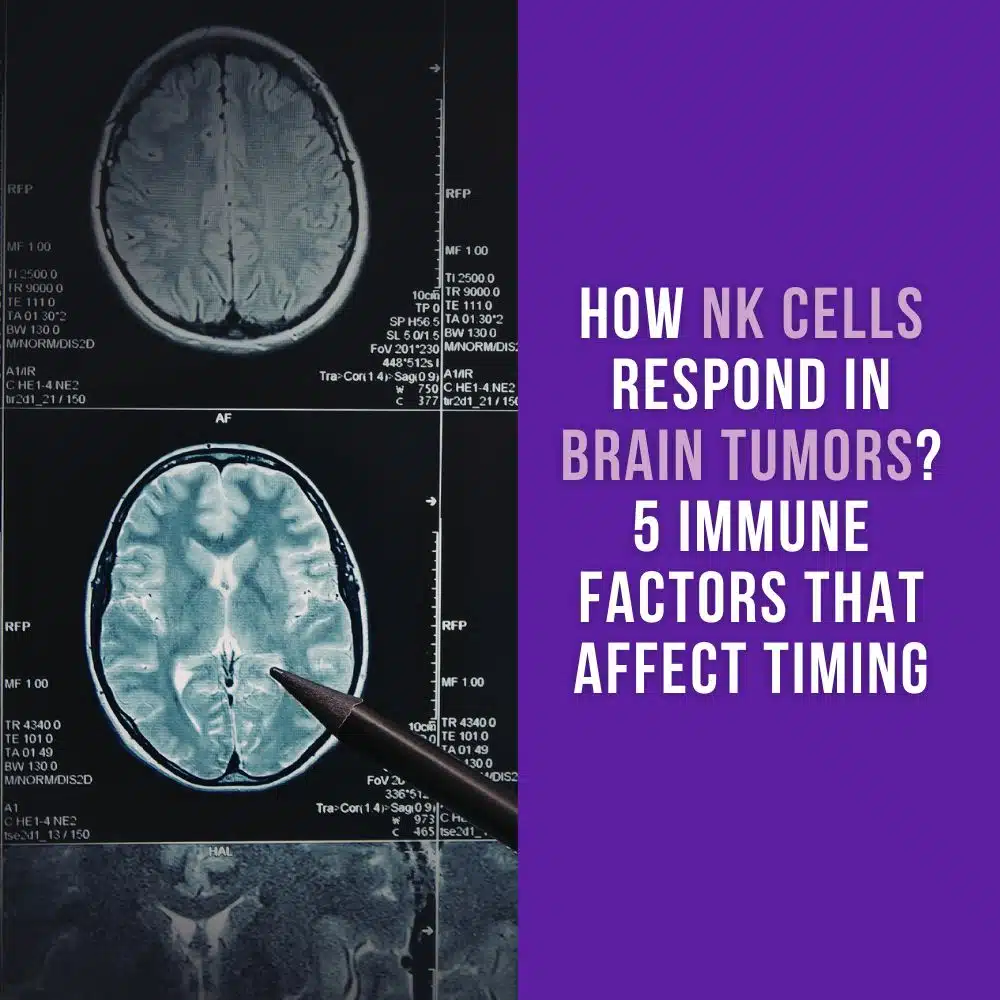
When families face Brain tumors, the first conversations often focus on imaging results, surgical options, and treatment sequences. Yet many families soon reach a deeper question: what is still happening inside the immune system, and does timing still matter?
At US Mexico Cancer Institute, we meet families precisely at this moment. Many arrive believing immune involvement has already ended because of the brain’s unique environment. What we clarify is that immune systems often remain active even when access is regulated. Cancer natural killer cells may still function, but timing determines how clearly they can respond.
Understanding how NK cells respond in brain tumors helps families move from uncertainty toward informed evaluation.
Understanding Brain Tumors Through an Immune Lens
Brain tumors exist within the central nervous system, an area with specialized immune regulation. This regulation protects neural tissue but does not eliminate immune activity. NK cells do not rely on memory or prior exposure. Instead, they respond to abnormal cellular behavior.
A natural killer cell is part of the innate immune system. NK cells continuously monitor cellular stress signals rather than specific tumor classifications. This distinction matters when families consider natural killer cell therapy or nk cell treatment, especially after standard options feel limited.
The National Cancer Institute confirms that NK cells can identify and respond to abnormal cells without prior immune sensitization, reinforcing why immune readiness remains relevant even in complex environments such as the brain.
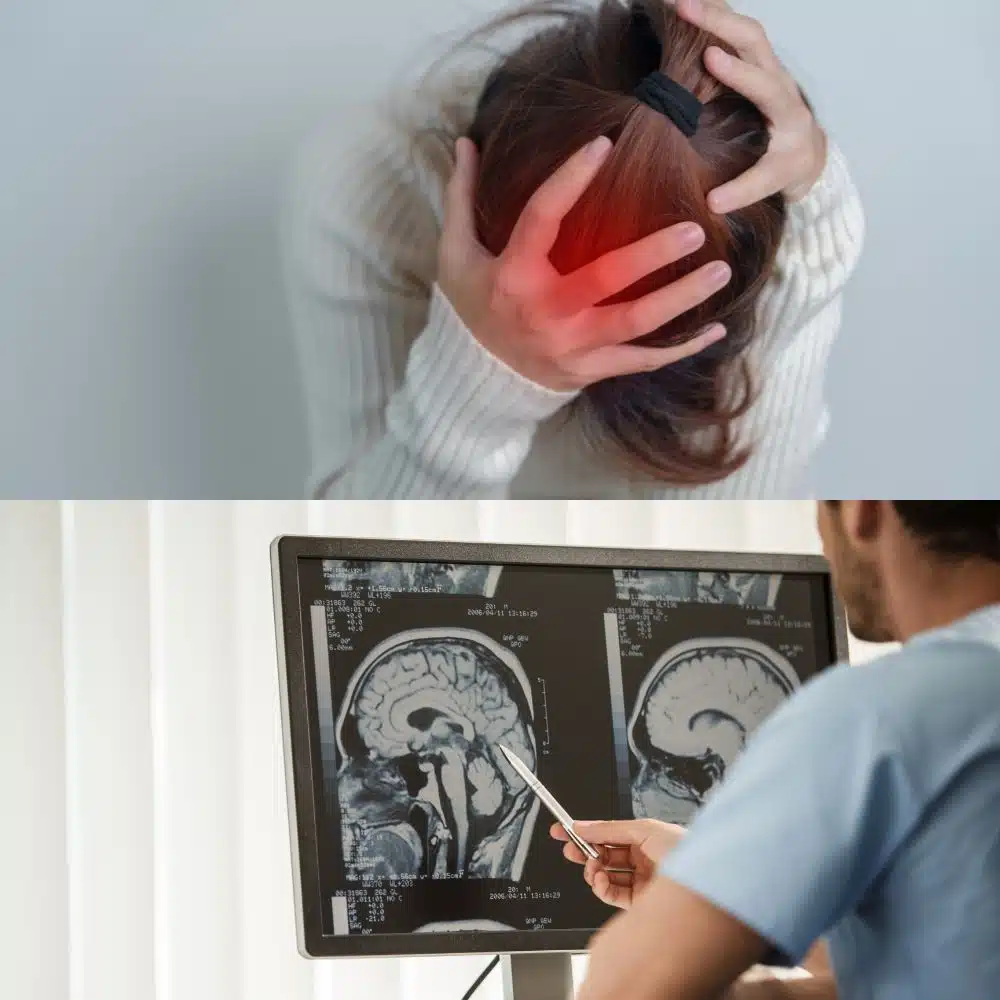
5 Immune Factors That Affect Timing in Brain Tumors
When brain tumors are involved, timing depends on more than scans and treatment schedules. Immune behavior inside the central nervous system shapes what remains possible. These five immune factors explain how NK cells respond under stress, why immune clarity changes over time, and how understanding these shifts helps families evaluate decisions while timing still allows flexibility.
1. Immune Signaling Persists Despite Central Nervous System Regulation
A common misconception surrounding Brain tumors is that immune activity stops at the blood–brain barrier. In reality, immune signaling continues, though regulated differently.
NK cells respond to stress markers released by abnormal cells. When immune clarity exists, NK cell signaling can still influence immune coordination. This explains why timing matters even when the tumor environment feels restrictive.
Families who understand this factor are better positioned to evaluate brain tumors treatment options without assuming immune inactivity.
2. What Causes Brain Tumors Also Disrupts Immune Clarity
Families frequently ask what causes brain tumors. While causes vary, many contributing factors—genetic instability, viral stress, prolonged inflammation—also interfere with immune signaling.
These factors create immune noise. NK cells lose recognition accuracy before they lose presence. Addressing immune interference restores coordination more effectively than escalation, especially when families are exploring nk cell treatment timing.
3. Inflammation Reduces NK Cell Recognition Accuracy
Inflammation plays a significant role in brain tumor environments. Elevated inflammatory signaling reduces how accurately NK cells distinguish abnormal behavior from healthy tissue.
Research supported by the National Institutes of Health shows that prolonged inflammation disrupts innate immune communication, including NK cell signaling. This helps explain why reducing immune interference often restores immune clarity more effectively than stimulation.
This insight reframes how families think about immune readiness when considering natural killer cell therapy.
4. Brain Tumors Treatment Can Temporarily Suppress Immune Coordination
Many brain tumors treatment approaches unintentionally suppress immune signaling. While this suppression may be temporary, prolonged exposure without evaluation deepens immune interference.
At US Mexico Cancer Institute, we assess immune readiness early to determine whether NK Cell Therapy for Brain Tumors aligns with current immune conditions rather than waiting until suppression becomes prolonged.
This approach preserves decision-making clarity.
5. Timing Determines Whether NK Cell Therapy Remains Appropriate
NK cells respond most effectively when immune clarity still exists. Waiting until immune interference becomes prolonged limits responsiveness.
Families who evaluate earlier often preserve more options. Timing determines whether immune coordination can still be supported effectively.
This insight explains why immune-focused evaluation should occur before families feel options have disappeared.
How NK Cells Fit Into Brain Tumor Decision-Making
When families explore natural killer cell therapy, the discussion is not about replacing immune function. It is about determining whether immune clarity remains.
As described in our ebook Natural Killer Cells – A Guide for Families and Loved Ones of Stage 4 Cancer Patients, immune overload is often misread as immune collapse. NK cells frequently remain present but suppressed. Restoring balance allows immune function to re-emerge.
This perspective helps families shift from urgency-driven decisions to clarity-driven evaluation.
Why Patients Choose Our Approach
We differentiate ourselves in ways most providers cannot replicate:
• Fresh, never-frozen NK cells for functional potency
• Molecular hydrogen support to reduce immune interference
• National-level medical leadership guiding decisions
• COFEPRIS-aligned safety oversight
• White-glove care that protects timing and reduces stress
At US Mexico Cancer Institute, safety oversight matters as much as immune strategy. Our processes align with standards established by COFEPRIS, Mexico’s Federal Commission for the Protection Against Sanitary Risk, which governs cellular therapy safety and patient protection.
When families evaluate options, one truth becomes clear: precision and timing shape immune outcomes.
How This Information Helps Families Move Forward
Understanding how NK cells respond in Brain tumors allows families to evaluate immune readiness rather than relying on assumption. Each immune factor discussed here supports informed timing decisions around nk cell treatment.
At US Mexico Cancer Institute, our role is to guide families through evaluation while immune clarity still exists.
Timing Still Matters
Understanding how NK cells respond in Brain tumors changes how families evaluate next steps.
At US Mexico Cancer Institute, we see how early immune insight preserves options while immune clarity still exists. If you are reviewing brain tumors treatment or considering nk cell treatment, now is the moment to assess immune readiness before timing narrows the path forward.
FAQs
1. Do NK cells still function in brain tumors?
Often yes. NK cells may be suppressed by immune interference or treatment-related factors, but they frequently remain present when immune clarity still exists. Evaluation helps determine responsiveness.
2. What causes brain tumors to affect immune response?
Factors such as genetic stress, prolonged inflammation, and certain treatment effects interfere with immune signaling. These influences reduce coordination before immune cells disappear.
3. Is NK Cell Therapy for Brain Tumors always appropriate?
No. Appropriateness depends on individual immune readiness, timing, and overall immune clarity. Assessment guides whether nk cell treatment aligns with current conditions.
4. How does inflammation affect NK cells in brain tumors?
Inflammation creates immune noise that interferes with NK cell recognition accuracy, making it harder for immune responses to coordinate effectively.
5. When should families consider immune evaluation?
As early as possible—before prolonged immune suppression develops—so timing and remaining immune clarity can be assessed accurately.

- How NK Cells Behave in Myeloproliferative Neoplasms? 5 Immune Signals Helping Patients Decide - March 2, 2026
- NK Cells and Myelodysplastic Syndromes: 5 Immune Forces People Often Explore - February 26, 2026
- What NK Cells Reveal in Multiple Myeloma? 6 Immune Insights Families Are Looking For - February 24, 2026